
John Henry George Lee – The Man They Could Not Hang
Introduction
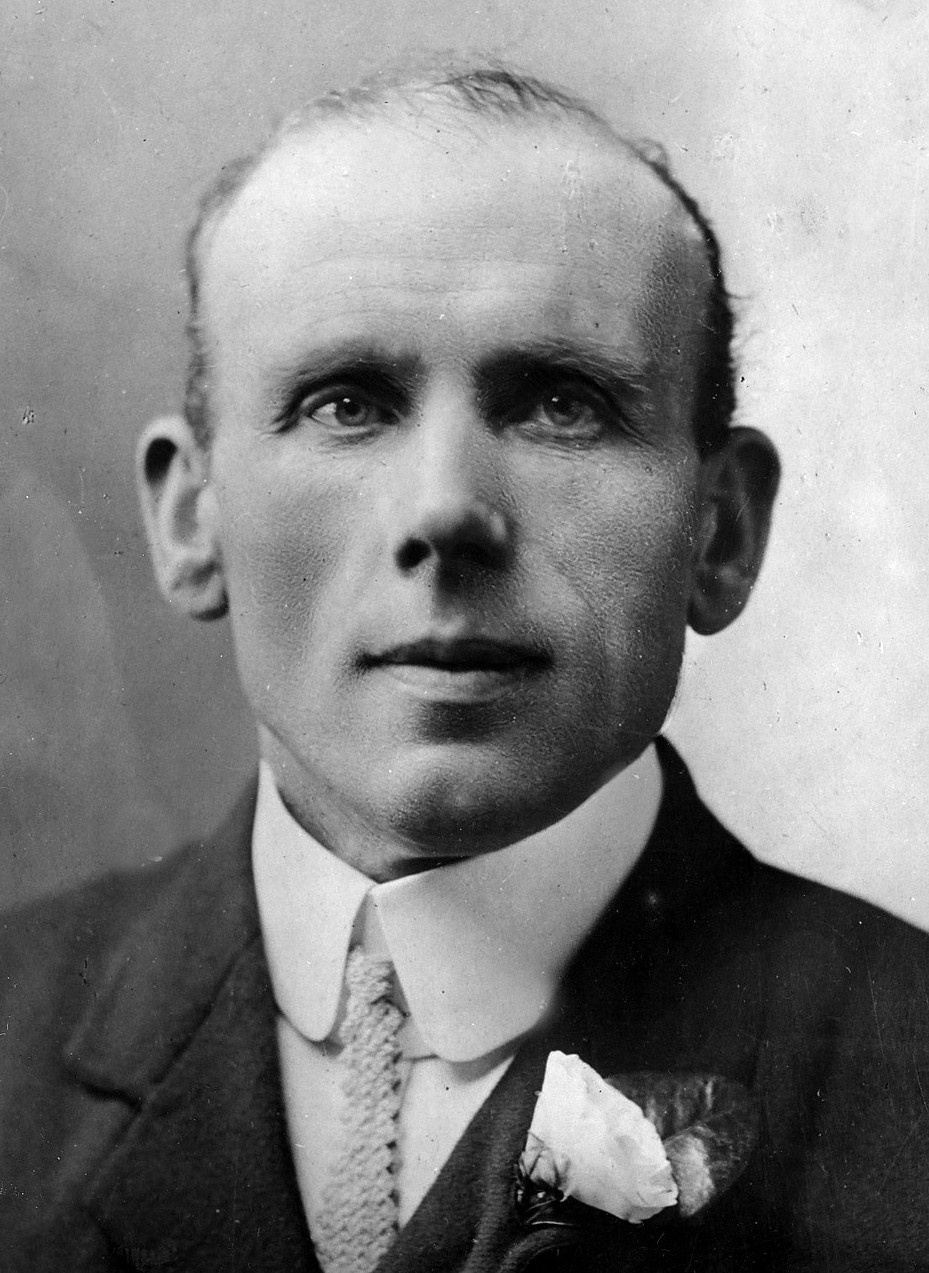
Portrait photograph of John Henry George Lee, known as The Man They Could Not Hang, in formal Edwardian attire
This is one of England’s strangest legal sagas — a case that began with the brutal 1884 murder of Miss Emma Keyse and ended in a failed execution, international fascination, and a legend that has endured for over a century.
John Henry George Lee, a 20-year-old domestic servant, was convicted of the crime and sentenced to hang. But when the gallows failed three times, he became famous the world over as “The Man They Could Not Hang.”
John Henry George Lee was born on 15 August 1864 in the rural Devon village of Abbotskerswell, a few miles from the coast.
He was one of several children born to John Lee Sr., a clay miner who also worked part-time as a small-scale farmer to support the household. His mother, Mary Lee (née Harris), managed the home with quiet resilience, ensuring her children were clothed, fed, and raised within a framework of strict Victorian values.
The family lived modestly, surrounded by the rhythms of country life — chapel on Sundays, labour during the week, and the social expectations of a close-knit community.

John was particularly close to his mother, whose strength and devotion left a lasting impression on him. That maternal bond would endure throughout his life, influencing both his emotional behaviour and his sense of right and wrong. In later years, even as public opinion turned against him, Lee continued to speak with tenderness about his mother, suggesting that hers was the only true loyalty he ever knew.
At 14, Lee began work as a page boy at The Glen, the seaside home of Miss Emma Keyse in Babbacombe. Eager for more in life, he left service to join the Navy against his father’s wishes. He served aboard HMS Impregnable at Devonport and was even commended as “best boy.” But in 1882, he contracted pneumonia and was discharged.
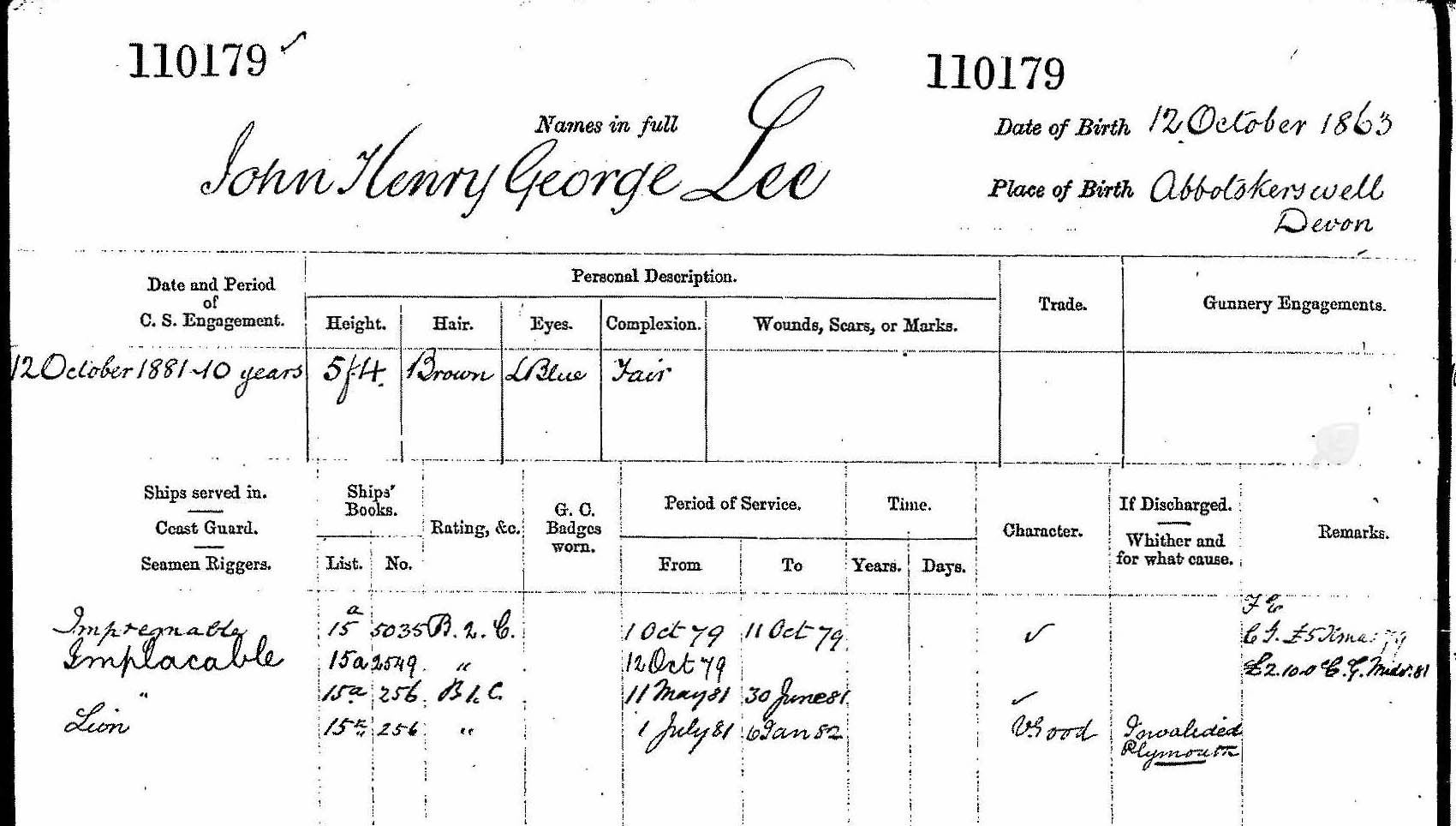
After leaving the Navy due to illness, Lee found it difficult to settle. He took up employment as a railway porter, first at Kingswear and then at Torre Station near Torquay. These jobs were short-lived, and he eventually secured a more prestigious domestic post as an under-butler at Ridgehill, the grand residence of Colonel Brownlow. It was a position of some trust and responsibility — one that might have marked a turning point in his life. But temptation overtook him. While the family was away, Lee unlocked a cabinet and stole a pair of ornate silver candlesticks from the household safe. Attempting to pawn them in Devonport, he was quickly caught when the pawnbroker recognised the family crest engraved into the metal. The theft was reported, and Lee was arrested within days.
He confessed, pleaded guilty in court, and was sentenced to six months’ hard labour at Exeter Prison. The conviction might have ended his future in domestic service altogether — but it did not. In a surprising act of compassion, Miss Emma Keyse, his former employer from The Glen, learned of his imprisonment and wrote to the prison chaplain. She expressed a willingness to take him back into her service upon release.
In her letter, she described Lee as “simple-minded” and “easily led,” but not malicious. She believed he had made a foolish mistake rather than acted out of true criminal intent. True to her word, when Lee was released in January 1884, she re-employed him as a gardener and footman at her quiet coastal home in Babbacombe. It was an extraordinary gesture — a blend of Christian forgiveness and Victorian moral duty. But in time, it would prove to be a decision both generous and tragically fateful.
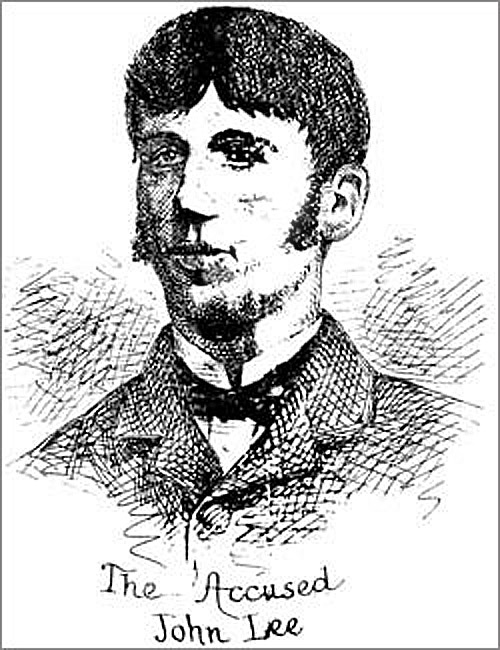 On Saturday, 15 November 1884, the body of 68-year-old Emma Keyse was found at her home. Her skull had been smashed, her throat slashed from ear to ear, and her body set alight. Fires had been lit in five separate places within the house. Only four people were in residence that night — and John Lee was the only able-bodied man.
Suspicion quickly fell on Lee. He had recently been told his wages were being reduced and had reportedly said, “Before I leave Torquay, I will have my revenge.” He also bore an arm injury, claiming it was caused while breaking a window to let smoke out.
Witnesses later testified that Lee had made disturbing comments. His half-sister, Elizabeth Harris (the cook), alleged he had threatened to throw Miss Keyse off a cliff. Yet all the evidence was circumstantial — bloodstains, paraffin, motive — but no one saw the act.
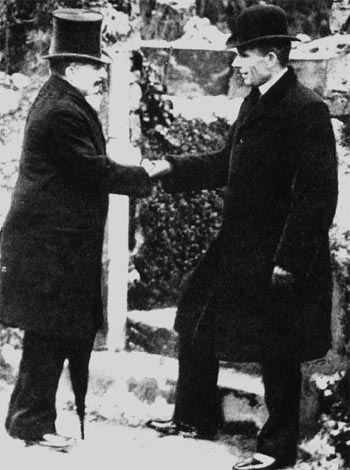
Lee’s trial was swift. He was defended poorly, and many believe he was scapegoated. He denied the crime, claimed to be asleep during the fire, and insisted the injuries he sustained were accidental.
Convicted of murder and arson, he was sentenced to death. When asked if he had anything to say, he replied calmly: “I am so calm, my Lord, because I trust in my Lord, and He knows that I am innocent.”
On 23 February 1885, John Lee was led to the gallows at Exeter Prison. As the noose was adjusted and the lever pulled — nothing happened. The trapdoor jammed. It happened again. And again. Three times the mechanism failed — yet when tested without Lee, it worked perfectly.
Public sentiment was stunned. Some viewed it as divine intervention. The Home Secretary, Sir William Harcourt, issued a formal reprieve. Lee’s sentence was commuted to life imprisonment.
Lee spent 22 years behind bars, writing petitions and maintaining his innocence. He was released from Portland Prison on 18 December 1907. In January 1909, he married Jessie Augusta Bulled, a nurse, in Newton Abbot. They had two children — one of whom he never saw.
But the story darkens again. By 1911, Lee had vanished.
Jessie was left pregnant and destitute in Lambeth Workhouse.
Lee had fled abroad with a barmaid, Adelina, who posed as his wife. They eventually settled in Milwaukee, USA.
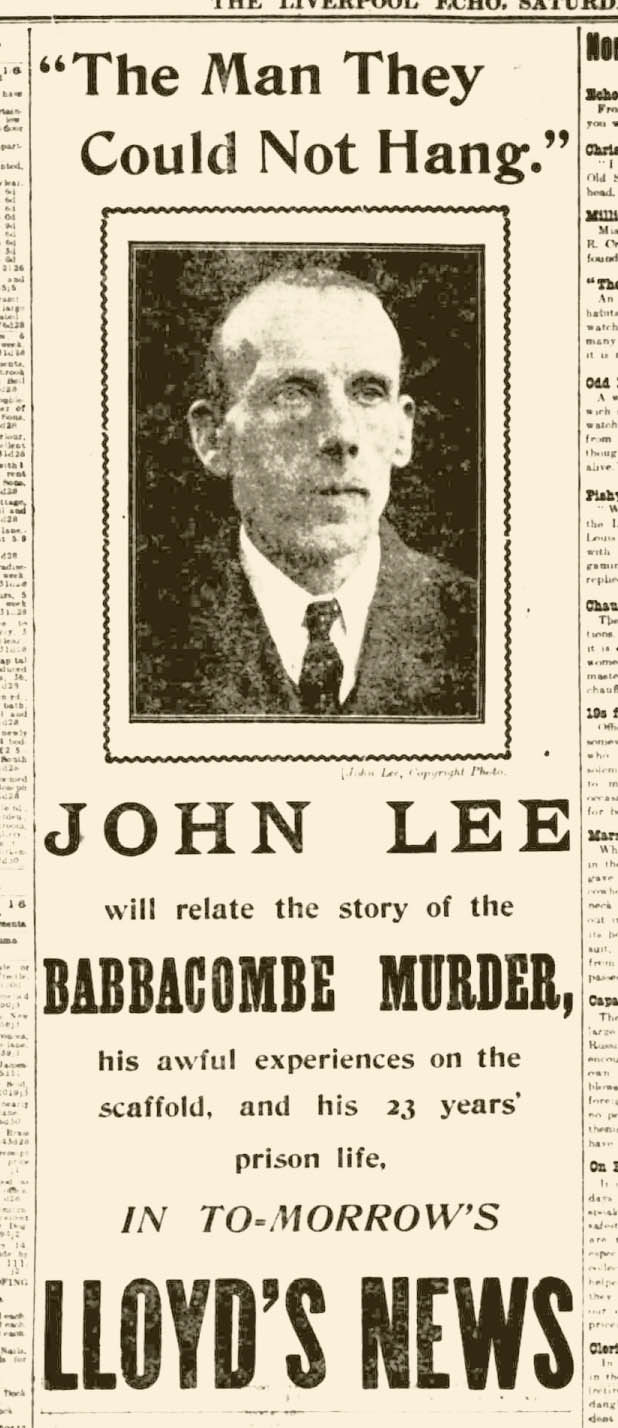
Lee capitalised on his notoriety. He sold his story to Lloyd’s Weekly News and gave public talks. A 1912 silent film, The Life Story of John Lee, or The Man They Could Not Hang, sensationalised his tale. He was praised by some, criticised by others.
His behaviour, however, suggested opportunism. He lied frequently, abandoned his family, and later claimed to be a misunderstood miracle.
He exaggerated his own story and threatened to expose supposed conspiracies unless compensated. The real John Lee was likely not a murderer — but nor was he a saint.
A 1936 article in the Torquay Herald and Express offered a startling new twist to the Babbacombe case. Though it did not name names, the piece suggested that John Lee, years after his release, had privately confessed to being an accessory — not the killer. According to the unnamed informant, Lee had confided that he had taken the blame to protect someone else: a man of high public standing who had much to lose.
The story alleged that on the night of the murder, a secret supper party took place at The Glen. The gathering was informal, discreet, and held after Miss Keyse had retired to bed. Among those present, it was claimed, was a prominent gentleman — possibly aristocratic or politically connected — who had been engaged in a clandestine relationship with a younger woman. Lee had attended with his own sweetheart, perhaps unaware of the scandalous undertones.
When Miss Keyse unexpectedly discovered the gathering, she was said to have been outraged and threatened to report the affair to the authorities. In the chaos that followed, the prominent man — desperate to protect his reputation — struck her fatally. The murder, according to this version, was not premeditated but impulsive and fuelled by panic. Lee, young, impressionable, and already indebted to Miss Keyse for his second chance, took control of the situation. He tried to conceal the crime, believing it was the only way to shield those involved — and perhaps, himself.
Whether any part of this version is true remains entirely uncertain. The alleged confession was never formally recorded, and the claims were never investigated by police or the Home Office. But the article — veiled and cautious though it was — added another layer of ambiguity to an already murky case, deepening the legend of The Man They Could Not Hang.
John Lee lived in the United States under the radar. Records suggest he lived in Wisconsin with Adelina and had a daughter named Evelyn (1914–1933). He never became a U.S. citizen. He died in Milwaukee on 19 March 1945, aged 80. Adelina died in 1969.
Lee’s tale endures not because of what we know, but because of what we never proved. The Babbacombe murder case — unsolved in any real sense — remains a mystery steeped in Victorian class tensions, flawed justice, and enduring myth.
The truth about John Lee may never be known. But in a country fascinated by courtroom drama and moral paradox, his legend still casts a long, uneasy shadow.
- See Lee’s Navy record here
- Access original newspaper reports and photographs via babmurder.com archive
- Discover Emma Keyse’s life and background on the Victim Profile page