
Evidence Against John Lee – Babbacombe Murder Case
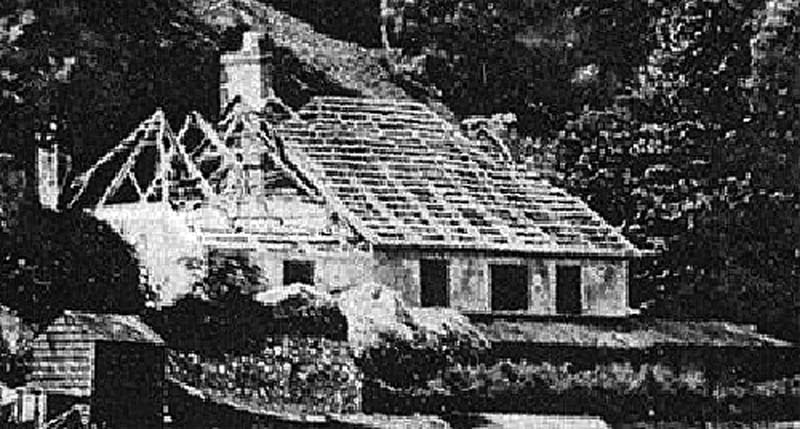
The prosecution of John Lee rested entirely on circumstantial evidence. Yet the volume and consistency of that evidence created a persuasive narrative — one that convinced police, prosecutors, and ultimately the jury.
In the aftermath of Emma Keyse’s murder, investigators pieced together a trail of clues: blood patterns, fire accelerants, witness statements, and unusual behaviour. Taken together, these formed a compelling case with John Lee at its centre.
Bloodstains and Clothing
Several of the most incriminating discoveries came from Lee’s own garments:
-
Bloodstains were found on his shirt, carrying a strong odour of paraffin or scorched oil.
-
His socks were drenched in paraffin, and forensic inspection revealed hairs matching those of Miss Keyse embedded in the fibres.
-
Bloodied towels were recovered from behind the pantry door and inside the scullery, close to Lee’s sleeping area.
Lee had an unexplained cut on his right arm, which he said occurred while breaking the dining room window to let out smoke. But the blood had dripped onto a nightdress before the window was broken — and the wound was on the right arm, whereas the glass was broken using the left.
The Hatchet
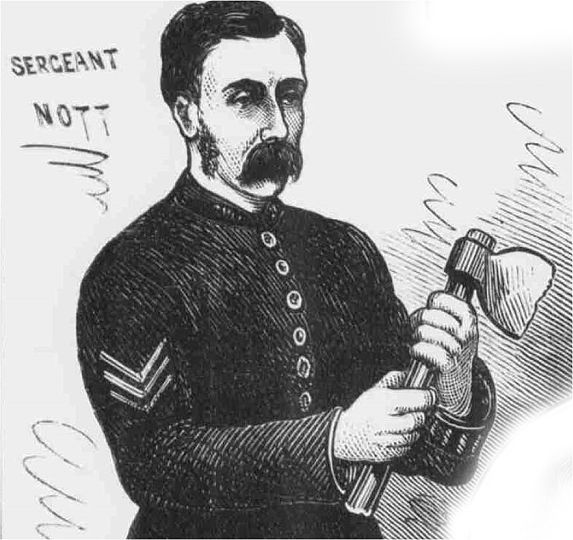
The weapon used in the killing was a small domestic hatchet, discovered at the scene. The injuries to Miss Keyse’s skull were consistent with repeated blunt-force trauma, including fractures and lacerations. The hatchet was part of the household’s standard tools.
Nearby were fragments of burnt cloth and bloodied wood, supporting its use in the attack. Though fingerprint technology was unavailable, investigators believed the circumstantial trail pointed overwhelmingly to Lee.
Fire and Paraffin
One of the defining elements of the crime was the deliberate attempt to destroy evidence by fire. Five separate fires had been ignited:
-
The dining room, where the body was found
-
The honeysuckle bedroom
-
The hallway
-
The staircase
-
Miss Keyse’s bedroom
Each showed signs of accelerant use, with paraffin-soaked newspaper stuffed under furniture and beneath the body.
The oil can used was kept just feet from Lee’s bed. Investigators argued it was unlikely anyone could remove it and start five fires without waking him. Lee denied hearing or smelling anything — a claim the police found implausible.
Fortuitously, the house’s internal stone walls prevented full structural collapse, preserving vital evidence.
Movement of the Body
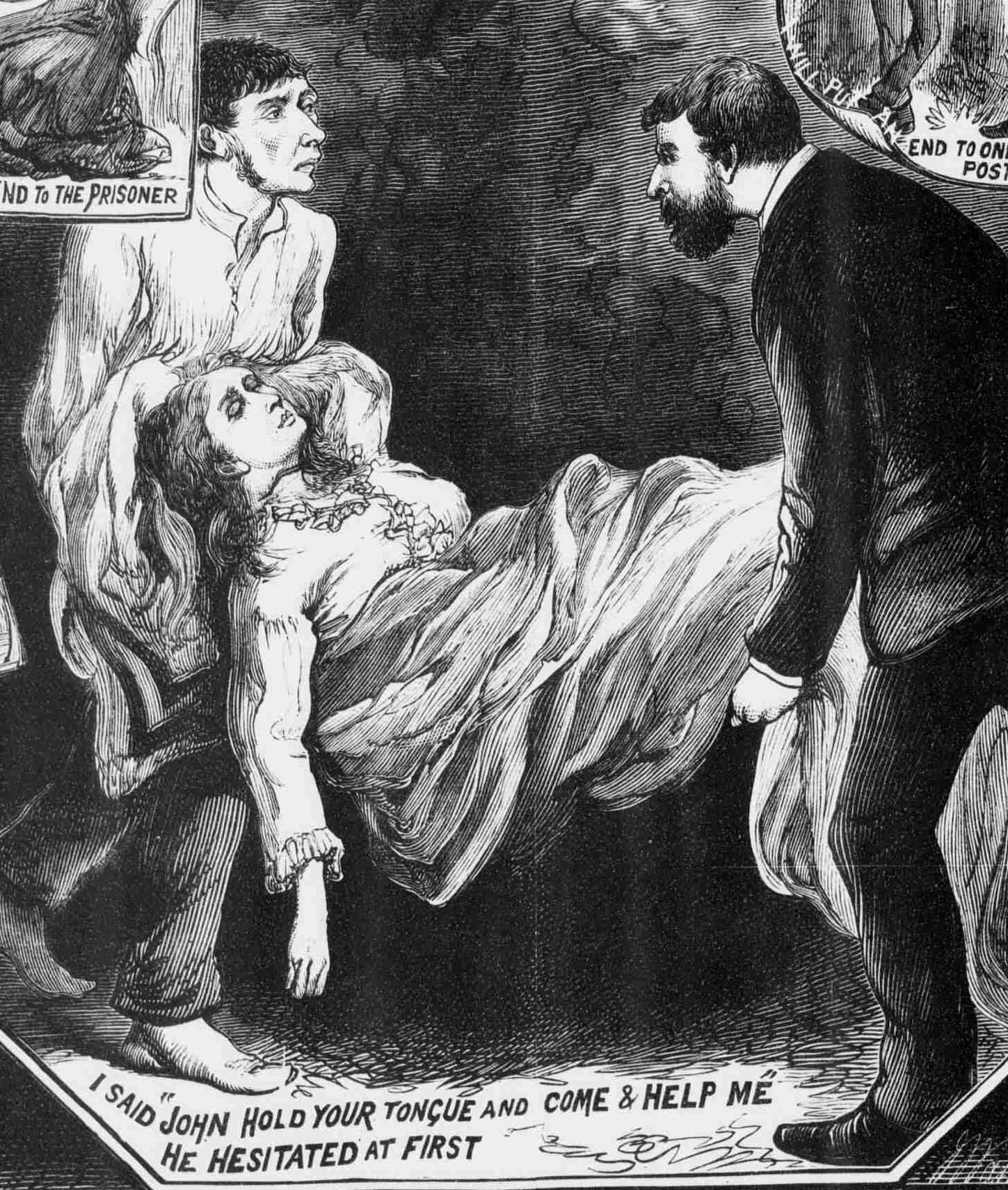
Evidence suggested Miss Keyse was not killed where her body was discovered:
-
A pool of blood was found in the hallway.
-
A chair cover soaked in blood was nearby, partially burned.
-
A slipper and burnt stocking, presumed to be hers, were found beneath the hallway carpet.
This led to the conclusion that the victim had been dragged to the dining room post-mortem and placed by the fire.
The staging of the scene suggested not panic but a coldly calculated attempt to conceal the crime.
Statements and Motive

Testimonies from within the household added to suspicion:
-
Elizabeth Harris, the cook and Lee’s half-sister, testified that on the day Miss Keyse reduced his wages, Lee burst into the kitchen and said, “Before I leave Torquay, I will have my revenge.”
-
She also claimed Lee had previously remarked, “If she were on the cliff, I’d throw her over.”
Local postman William Richards also recalled Lee speaking bitterly about his employer and his uncertain future, fuelling the prosecution’s motive theory.
Inconsistencies and Behaviour
Lee’s account of events was riddled with contradictions:
-
He claimed he broke the dining room window from inside — but the broken glass was found outside.
-
He said he had been asleep, yet others noted the house reeked of smoke and paraffin.
-
He blamed a cut arm on broken glass, but blood patterns and timing contradicted this.
Eyewitnesses also noted his strange calmness throughout — from the moment of the fire to his trial.
A Circumstantial Case
In sum, the case depended on the convergence of multiple indirect strands:
-
Resentment and motive
-
Traceable evidence on Lee’s clothes
-
Efforts to destroy the scene by arson
-
No forced entry
-
And no other suspect inside the property
Yet despite its coherence, the case lacked any direct witness, confession, or modern forensic validation.
But for Victorian authorities — and much of the public — the pattern of guilt appeared undeniable. The outcome felt, increasingly, like a foregone conclusion.
The case against John Lee remains one of the most debated in Victorian legal history. As part of the Babbacombe Murder, it continues to provoke both fascination and doubt.