Rare Portrait of Emma Keyse – The Babbacombe Murder Victim (1884)
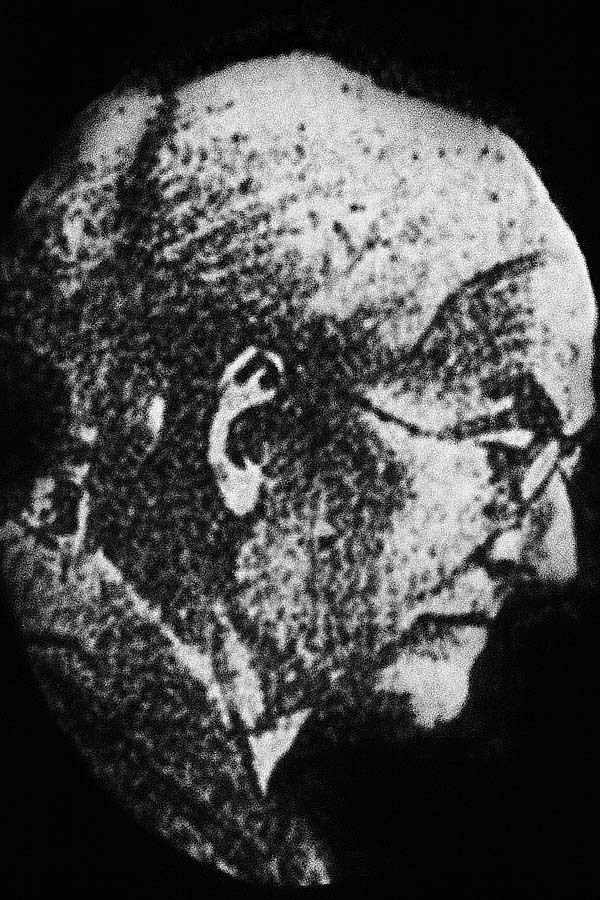 Emma Anne Whitehead Keyse was, in many ways, a typical figure of her class and time: unmarried, devout, and quietly resolute.
Born in 1816 into a well-connected family, she spent her later decades living at The Glen, the Babbacombe home acquired by her father in 1814.
Her father, Thomas Keyse, died when Emma was still young, and after her mother remarried a man named George Whitehead, Emma inherited the property upon her mother’s death in 1871.
The house became her sanctuary — and, ultimately, her tomb.
By 1884, Miss Keyse was 68 years old. She had lived a private life, marked by routine and modest piety. She held daily morning and evening prayers for her small household, and regularly attended services at St. Marychurch Parish Church. She was known locally for her generosity toward the poor, and was remembered — even by those who had no reason to speak kindly of her — as upright, principled, and charitable.
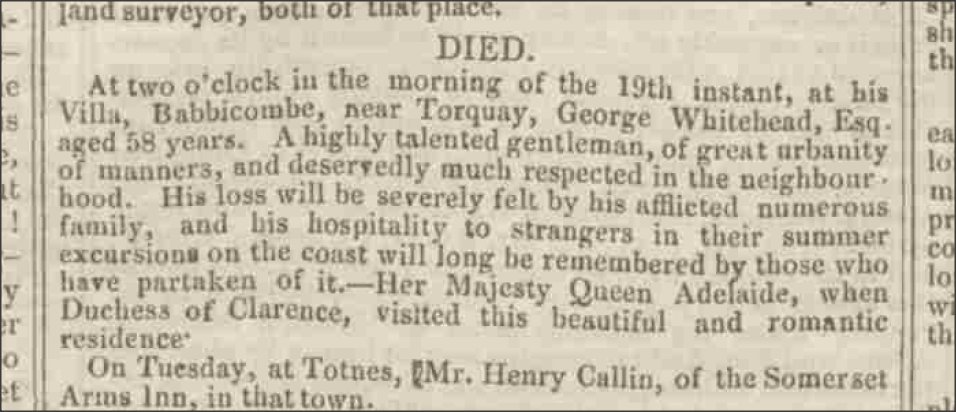
But she was not without critics. Years earlier, she had been embroiled in a legal dispute with local fishermen who wished to land their boats on the beach in front of The Glen.
She objected, and the matter went to court. The judgment ruled in favour of the fishermen, and although Miss Keyse is said to have accepted the ruling with dignity, some in the village regarded her as aloof or possessive of her shoreline boundary.
In time, she allowed a navigation lamp to be installed on her property to guide the fishermen during stormy nights.
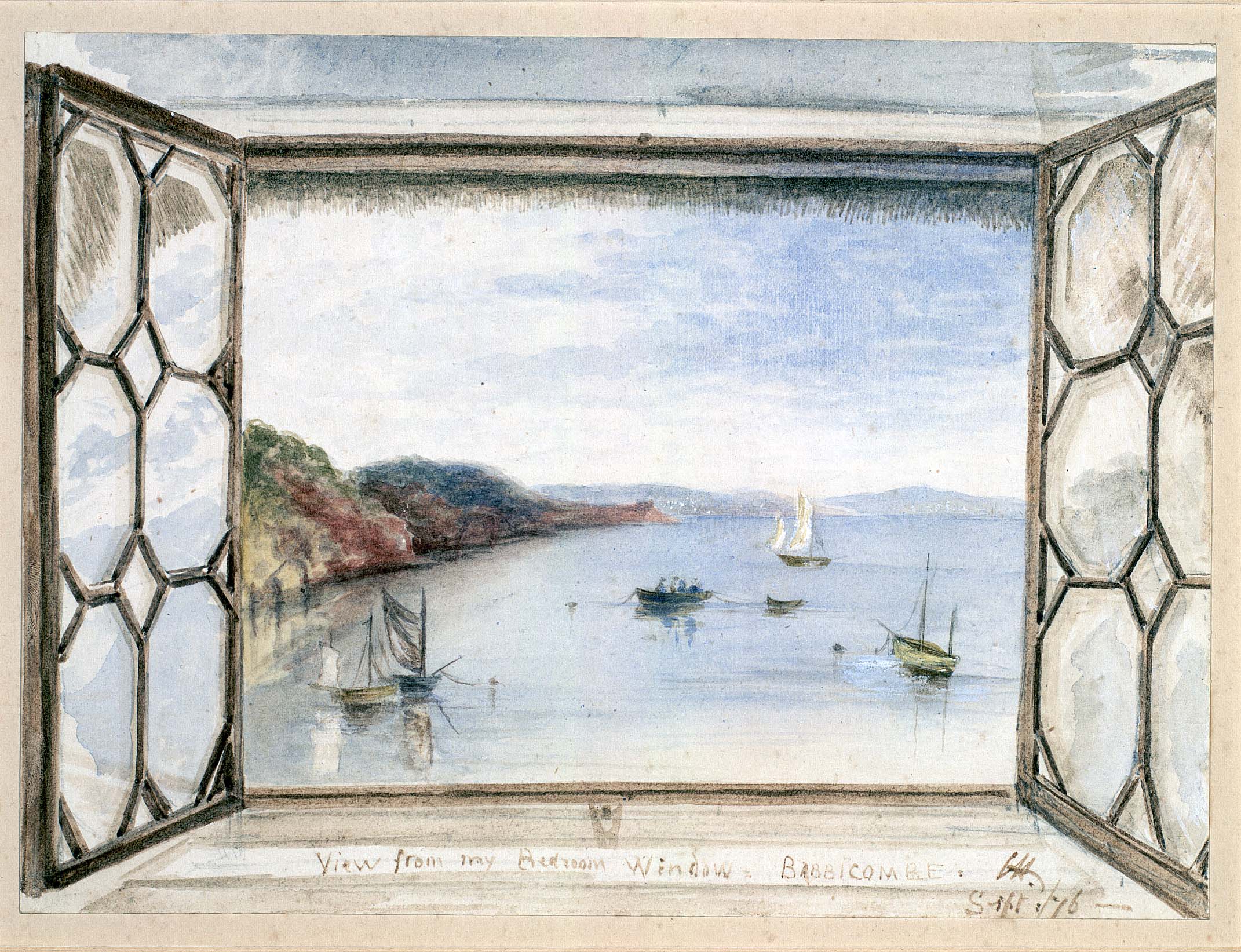
Inside her home, she maintained a strict order. The Glen was not an estate of grandeur, but it had history and presence — a rambling thatched house set against the wind-scoured cliffs of Babbacombe Bay. She lived there with a small staff: the cook, the Neck sisters, and at the time of her death, John Lee.
It is important to note that Miss Keyse was not wealthy in the sense the newspapers often implied. By the end of her life, her finances were under strain. The Glen had been up for sale for some time, and in October 1884 — just weeks before her death — she agreed to a sale valued at £13,000. That same day, she informed Elizabeth Harris (her cook) and John Lee of changes to their employment. Harris may have been given her final settlement, while Lee was told his wages would be reduced and his future uncertain. She offered to help him find new work with the new owner, but it was clear that his place at The Glen was nearing its end.
Miss Keyse had made a will in 1875, leaving £1,000 in trust to provide for her two long-serving maids and her gardener. The rest of the estate was to be managed and distributed according to her wishes. However, due to the murder, the sale of The Glen fell through, and her estate remained entangled for years.
Those who knew her described her as reserved but not cold. Her staff, particularly the Neck sisters, were fiercely loyal. She kept to her routines. She preferred letter-writing and spiritual reading to socialising. She stayed up late, often reading into the early hours. Her final journal entries, written the night before her death, show no sign of disturbance or fear.
Despite myths that would later arise, there is no credible evidence of royal connections. She was not, as some later claimed, a former lady-in-waiting to Queen Victoria. A letter from the Royal Archives confirms that neither Emma nor her mother had any personal relationship with the monarchy, although Princess Adelaide — wife of the future William IV — did once visit the house in the 1820s during its earlier family occupancy.
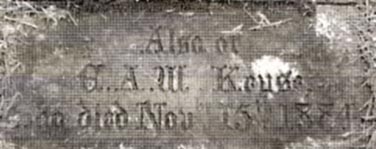
On the night of 14 November 1884, she went about her day as usual. She said prayers with her staff. She took to her room early, feeling unwell. She was last seen alive in the dining room, writing. What happened after that — how she came to be struck on the head, her throat slashed, her body burned — remains the subject of this archive.
But of her character, there is little serious dispute: she was measured, religious, and generous. And whatever else is unclear about that night, one thing remains certain — Miss Keyse did not deserve the fate that awaited her in the small hours of a cold Devon morning.