John Henry George Lee Prison Release and Disappearance
Following the extraordinary failure of his hanging in 1885, John Henry George Lee’s prison release became a matter of public and political debate. Instead of execution, he remained behind bars under a commuted sentence of penal servitude for life. He had escaped the gallows — but not incarceration. Over the next two decades, his life was marked by obedience, religious observance, and institutional silence.
Years in Custody
Lee began his sentence at Exeter but was soon transferred through the penal system. Chaplains described him as deeply religious and compliant. Records from each prison reveal a consistent pattern of behaviour: quiet, devout, and cooperative.
Prison Transfers and Timeline
John Henry George Lee’s prison release in 1907 came after over two decades spent across three major penal institutions in England. His incarceration shaped both public opinion and his own account of innocence.
- Portland Prison (1885–1890) – Lee began hard labour shortly after his commuted sentence.
- Dartmoor Prison (1890–1898) – A harsh, isolated environment where he deepened his religious discipline.
- Parkhurst Prison (1898–1907) – His final institution before release. He learned carpentry and served briefly as a ward assistant.
This structured sequence of transfers played a crucial role in shaping the story of John Henry George Lee’s prison release. In December 1907, after 22 years, he was released on licence aged 43.
Petition and Release
In 1904, a growing campaign supported by MPs, clergy, and journalists petitioned for Lee’s release. The Home Office ultimately agreed he had served longer than most with similar convictions. Although no miscarriage of justice was declared, Lee quietly walked free from Parkhurst on 15 December 1907.
Marriage and Public Life
Back in Devon, Lee reunited with his mother in Abbotskerswell. His only statement to the press: “I wish to live quietly. I thank those who believed in me. I have no bitterness.”
In January 1909, he married Jessie Augusta Bulled, a nurse from Newton Abbot Infirmary. They had two children:
- John Aubrey Maurice Lee – born 1910 in Newcastle
- Evelyn Victoria Mary Lee – born 1911 in Lambeth
Departure for America
In early 1911, Lee abruptly left England for New York via Canada — not with Jessie, but with a woman named Adeline Gibbs, who posed as his wife using the name “Jessie Lee” on the ship manifest. She had recently married another man in England. The couple listed a London address and arrived in the U.S. with over $50 in cash.
Desertion and Distress
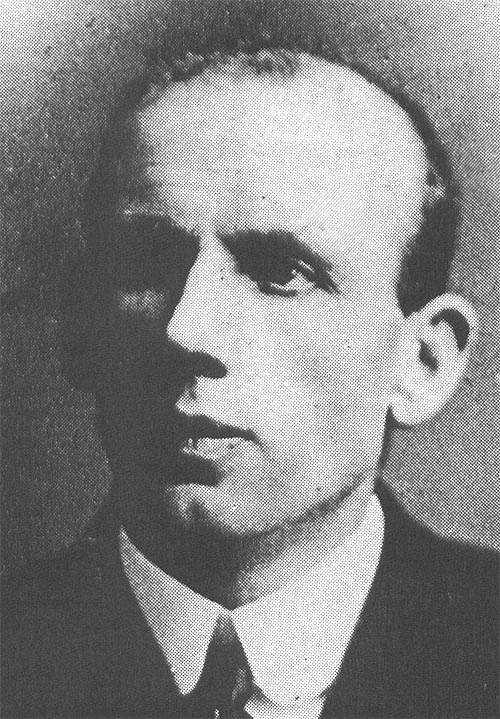
Jessie Lee, abandoned with two children, applied for relief from the Lambeth Board of Guardians in February 1911. She never heard from her husband again. All contact ceased by the end of that year.
False Leads and Conflicting Claims
Speculation about Lee’s whereabouts spread:
- Working as a janitor in New Jersey
- Dying under an alias in Chicago
- Living in Australia under the name “James Lee”
No credible evidence supported any of these claims. Jessie Lee remained in Surrey, never remarried, and died in 1960.
The Vanishing Legend
Lee’s disappearance turned into legend. In time, research confirmed he had lived under his real name in Milwaukee, Wisconsin, with Adeline Gibbs posing as his wife. They had a daughter, Evelyn, who died tragically in 1933. Lee himself died in 1945.
From failed execution to mythic obscurity, John Henry George Lee’s prison release was not the end of his story — it was the beginning of a double life marked by deception, exile, and mystery.
For more, see our detailed breakdown of Lee’s trial, or visit Wikipedia for his broader cultural impact.