The Police Case Against John Lee
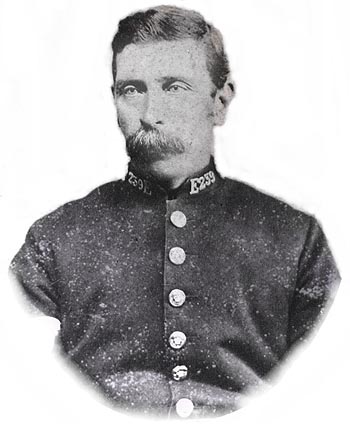
When Sergeant Abraham Nott of the Devon Constabulary arrived at The Glen in the early hours of 15 November 1884, the house was still heavy with smoke, the ground wet with attempts to extinguish the fire. The body of Emma Keyse lay where it had been found — scorched, slashed, and partially covered in soot and embers. Around her, the remnants of five separate fires, the smell of paraffin, and a trail of blood formed what appeared to be the aftermath of both murder and arson.
Within hours, the Devon police had determined their primary suspect: John Henry George Lee — the only male in the household, the only one with a documented grievance, and, increasingly, the only one whose explanations did not align with the evidence.
Early Impressions
Sergeant Nott wasted no time establishing the layout of the crime scene. A pool of congealed blood in the hallway led to the conclusion that Miss Keyse had been attacked there, not in the dining room where her body was found. This theory was supported by a blood-soaked chair cover, candle grease near the skirting board, and a hair comb on the floor — all consistent with a sudden, violent encounter.
From the hall, the trail led to the dining room — where someone had attempted to stage the scene. Newspapers had been stacked beneath the body. The fireplace still glowed faintly. Partially burnt curtains and paraffin trails marked the carpet. According to Nott’s testimony, there was clear intent to obscure the crime, not merely an accidental fire.
The Evidence Linking Lee
Lee’s proximity to all key pieces of evidence narrowed the police’s focus quickly:
-
The oil can used to ignite the fires was stored in a cupboard adjacent to Lee’s sleeping area in the pantry.
-
The hatchet suspected to be the murder weapon was found near the pantry, with blood and soil on the blade.
-
Towels bearing blood stains were found behind the pantry door and in the scullery — both areas Lee had direct access to.
-
Paraffin-soaked socks with strands of Miss Keyse’s hair were recovered among his belongings.
-
Lee’s shirt bore blood stains and a burnt smell, raising suspicion of attempted concealment.
His claim that he slept through the incident was further undermined by Nott’s on-site experiment. Lighting a small amount of paraffin in the pantry and hallway, Nott found the smell strong enough to wake a person from light sleep. He concluded it was unlikely Lee had remained unaware of the fires — particularly given their size and spread.
Inconsistencies and Statements
Lee’s behaviour also raised questions:
-
He claimed to have broken the dining room window from the inside to release smoke. But the broken glass lay outside, suggesting it had been smashed from without.
-
He claimed the injury to his right arm occurred during this act. But the direction and timing of the blood patterns contradicted this. Additionally, blood from this wound appeared on the nightdress of a maid he had assisted — before the window was broken.
-
His demeanour throughout the investigation was described as unusually calm and unaffected — an observation echoed in later press coverage.
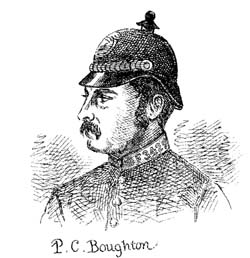
Constable Boughton and other officers noted his early statement: “Good God, that such a thing should have happened! I have lost my best friend.” Yet this tone of grief clashed with his otherwise disconnected attitude.
Statements from the Household
Crucial testimony came from Elizabeth Harris, Lee’s half-sister. She told police and later the court:
-
That Lee had returned from a conversation with Miss Keyse about his wages on 28 October in tears, complaining he would now only receive two shillings a week.
-
That he had threatened: “Before I leave Torquay, I will have my revenge.”
-
That he had previously said if Miss Keyse “were on the cliff, he’d throw her over.”
Harris also admitted she had initially withheld this information out of a desire to protect her brother — but changed her position after witnessing the full extent of the crime.
This testimony was key in establishing motive and intent. Lee, already embittered by a recent pay reduction, had allegedly expressed violent thoughts. Though no physical witnesses saw the crime itself, the words attributed to him were powerful in the court of public opinion.
No Sign of Forced Entry
One critical detail worked heavily in the police’s favour: there was no sign of a break-in.
-
All doors were locked from within.
-
All windows were fastened except for those broken by fire or by Lee himself.
-
No evidence suggested an intruder had entered the house during the night.
In a house already ablaze — and with no other men present — police reasoned that the person responsible must have been someone already inside.
Given the state of the fires, the tools used, and the timeline of events, John Lee was not only the most obvious suspect — he was, in the minds of the police, the only possible suspect.
Arrest and Charge
At 10:00am on 15 November, less than seven hours after the fire was discovered, Superintendent Barbour arrested John Lee. The charge: the wilful murder of Emma Keyse, and the malicious setting of fire to The Glen.
From that point on, Lee was in custody. He would face the coroner, the magistrates, and finally, the judges of the Exeter Assizes. The evidence was not forensic in the modern sense. But in 1884, it was considered both substantial and persuasive.
And yet — for all the thoroughness of the police case — doubts would linger for generations about whether justice had truly been done.