The Babbacombe Murder: Timeline of Discovery
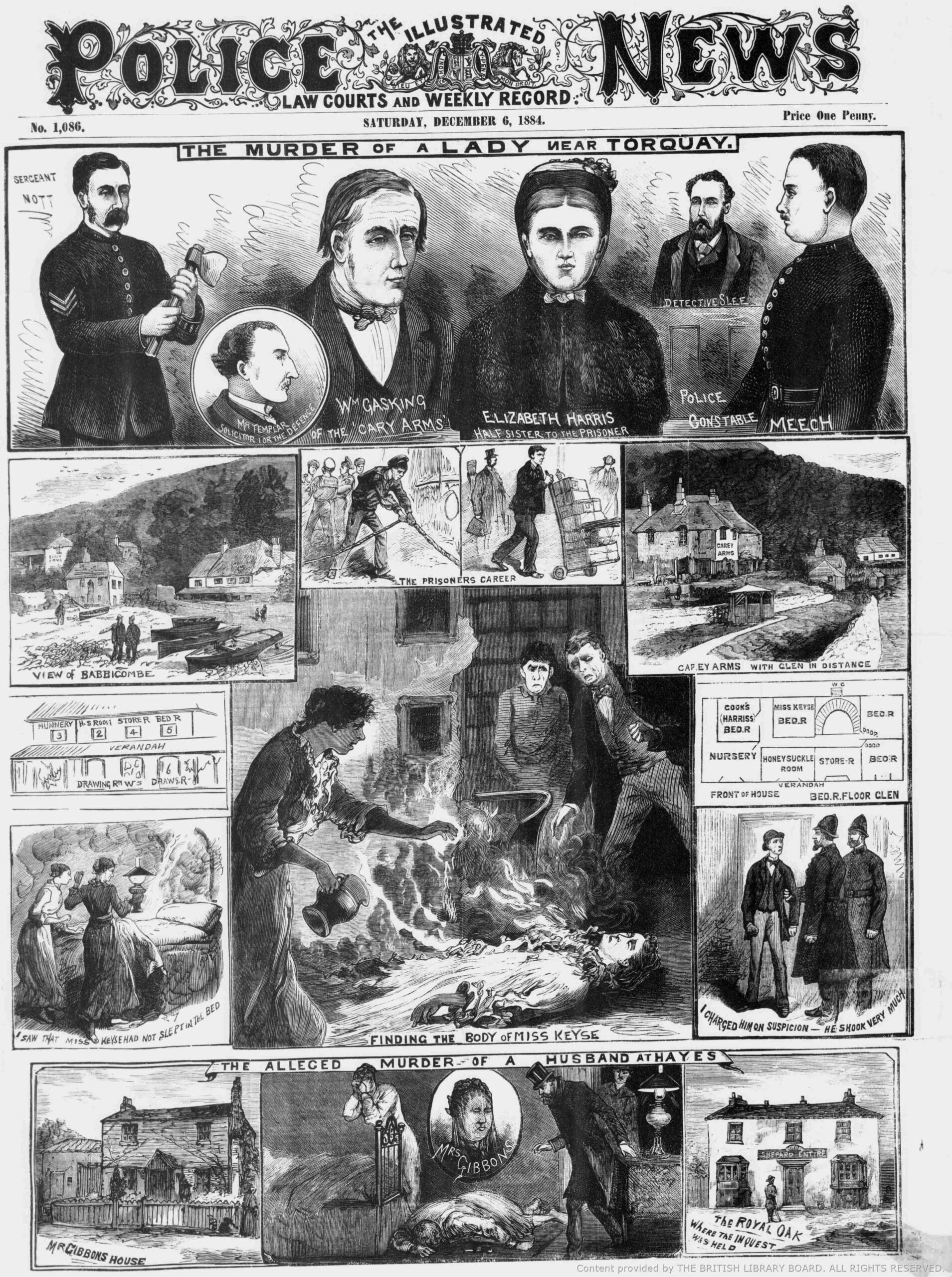
The day of Friday, 14 November 1884, began like any other at The Glen. Miss Keyse held morning prayers with her small household: her cook Elizabeth Harris, the two elderly maids Jane and Eliza Neck, and her footman John Lee. The weather was bleak — cold, windy, and unsettled — with waves breaking loudly on Babbacombe’s shingle shore below.
Miss Keyse was reportedly feeling unwell. After breakfast, she retired to her bedroom and was not seen again until later in the evening. At around 5pm, she came downstairs briefly, but retired again shortly after. Elizabeth Harris, also unwell (and later confirmed to be in the early stages of pregnancy), had finished her duties by then. The two Neck sisters, who shared a bedroom, followed their usual routine.
At 11pm, prayers were held — a regular practice in the household. All four present staff members participated: Harris, the Neck sisters, and John Lee. Afterward, Lee retired to the pantry, where he slept. The Neck sisters went to their room. Harris returned to hers. Miss Keyse was last seen alive alone in the dining room, writing in her journal by lamplight.
What followed between midnight and dawn would become one of the most extraordinary criminal events in British history.
The Discovery of Fire
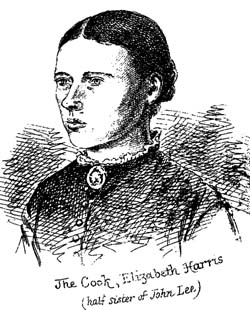
At approximately 3:30am, Elizabeth Harris awoke to the smell of smoke. She roused Jane and Eliza Neck, and the three women, dressed in their nightclothes, descended into thick smoke. In the hallway and dining room, they found smouldering fires already taking hold. Harris described encountering John Lee in the dining room, partially dressed, with his braces hanging down. His right arm was bleeding. He claimed he had cut himself breaking a window to let the smoke escape.
The three women began attempting to extinguish the flames using water from the pantry. The scene in the dining room was described as horrific: the smell of paraffin was overwhelming, and the body of Miss Keyse lay on the floor, her nightdress burned, her head near the fireplace, legs toward the door. Nearby lay burnt newspapers and blood-stained furniture. Several small fires were also discovered in other parts of the house: the honeysuckle bedroom, the hallway, the staircase, and Miss Keyse’s own bedroom.
Lee was sent to fetch help. But before doing so, he walked around the property, claimed to have broken windows to ventilate, and then finally crossed the road to the Cary Arms public house. There, he alerted local fishermen and coastguards who came to assist. From there, Lee continued to Compton to inform Mrs. McClean, Miss Keyse’s sister. Along the way, he was seen by George Russell — a key witness who would later confirm Lee appeared calm and composed.
Meanwhile, police and medical officers began arriving at the scene:
-
PC Julian Meech and PC Hare at 5:00am
-
Sergeant Abraham Nott at 5:30am
-
Dr Chilcote to examine the body
-
Superintendent Barbour shortly after
The Crime Scene
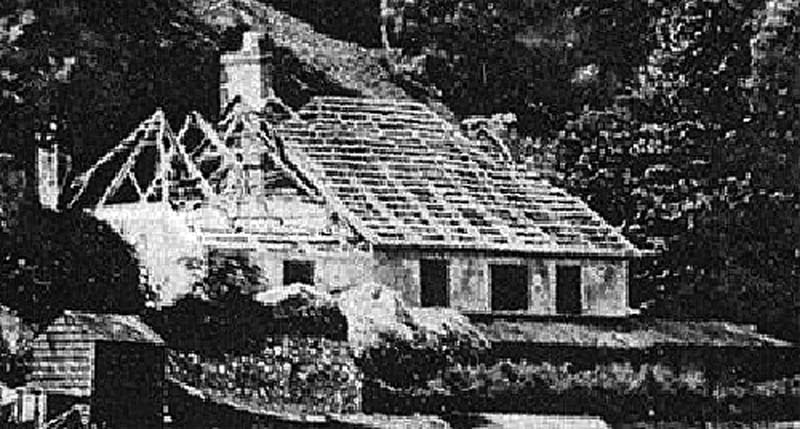
Investigators quickly determined that the house had been deliberately set on fire in multiple locations. Nearly a gallon of paraffin had been used. The stone structure of The Glen, however, prevented the blaze from taking hold fully.
Blood stains were found in the hallway. A large pool had congealed on the floor, with additional smears on the wall and on burnt papers. A knife, partially buried in the soil near the pantry, bore traces of blood and earth. Blood-stained towels were found in a cupboard near Lee’s sleeping quarters. A slipper and a partially burned stocking believed to belong to Miss Keyse were found hidden under the carpet in the hallway — suggesting her body had been moved.
Lee’s clothing became central to the investigation. His shirt was bloodstained and smelled strongly of burnt oil. His socks, also saturated with paraffin, were found to contain strands of hair matching Miss Keyse’s. The oil can used to ignite the fires was stored in a cupboard just feet from his bed.
Lee claimed that he had been asleep and only awoke when the smoke became overwhelming. He told police he broke the dining room window from inside to allow the smoke to escape. However, the glass lay outside the window — indicating it had been broken from outside. When questioned about this inconsistency, Lee offered no explanation.
The State of the Body
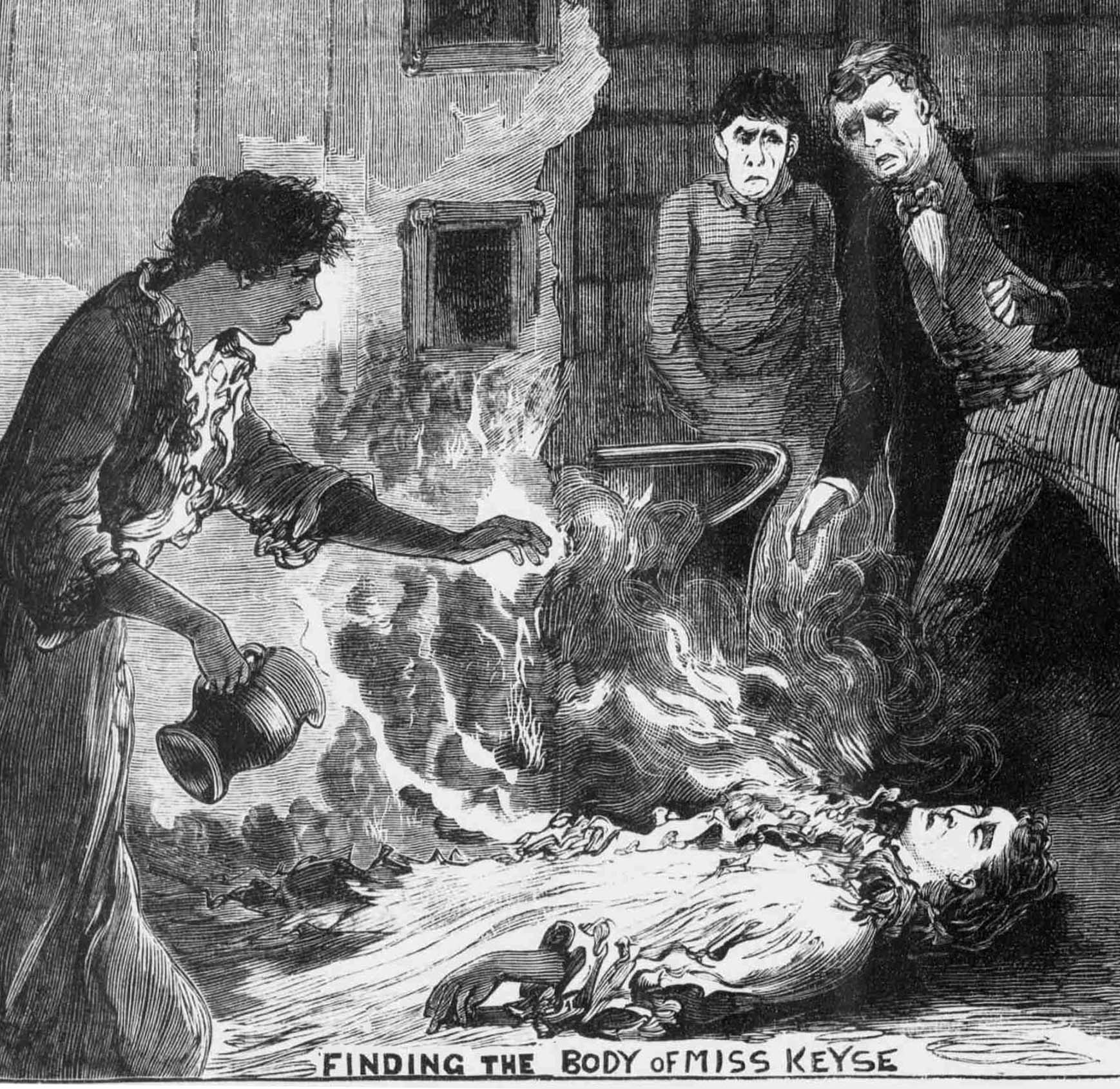
Dr Thomas Stevenson, a respected forensic pathologist, later concluded that Miss Keyse had sustained a severe blow to the head, rendering her unconscious. Her throat was then cut — the wound so deep that it severed major arteries and notched her spinal vertebrae. Her nightdress was partially burned. The room had been doused with paraffin, and newspapers had been placed over the body and set alight. The cocoa she had prepared was found nearby, half-consumed. Her bed remained undisturbed — suggesting she had come downstairs voluntarily and encountered her attacker while still in her night attire.
Initial Conclusions
Within hours of police arrival, suspicion had already turned toward Lee. He was the only man in the house. He bore fresh injuries. His clothing and possessions were stained with blood and paraffin. He gave conflicting explanations. And, crucially, there was no evidence of forced entry.
At 10:00am on 15 November 1884 — less than seven hours after the alarm was first raised — John Lee was arrested and formally charged with the wilful murder of Emma Keyse and with arson.
What followed was a swift descent into the machinery of the Victorian justice system: inquests, hearings, a public trial — and a sentence that would make him infamous around the world.