The Glen and 1884 Babbacombe
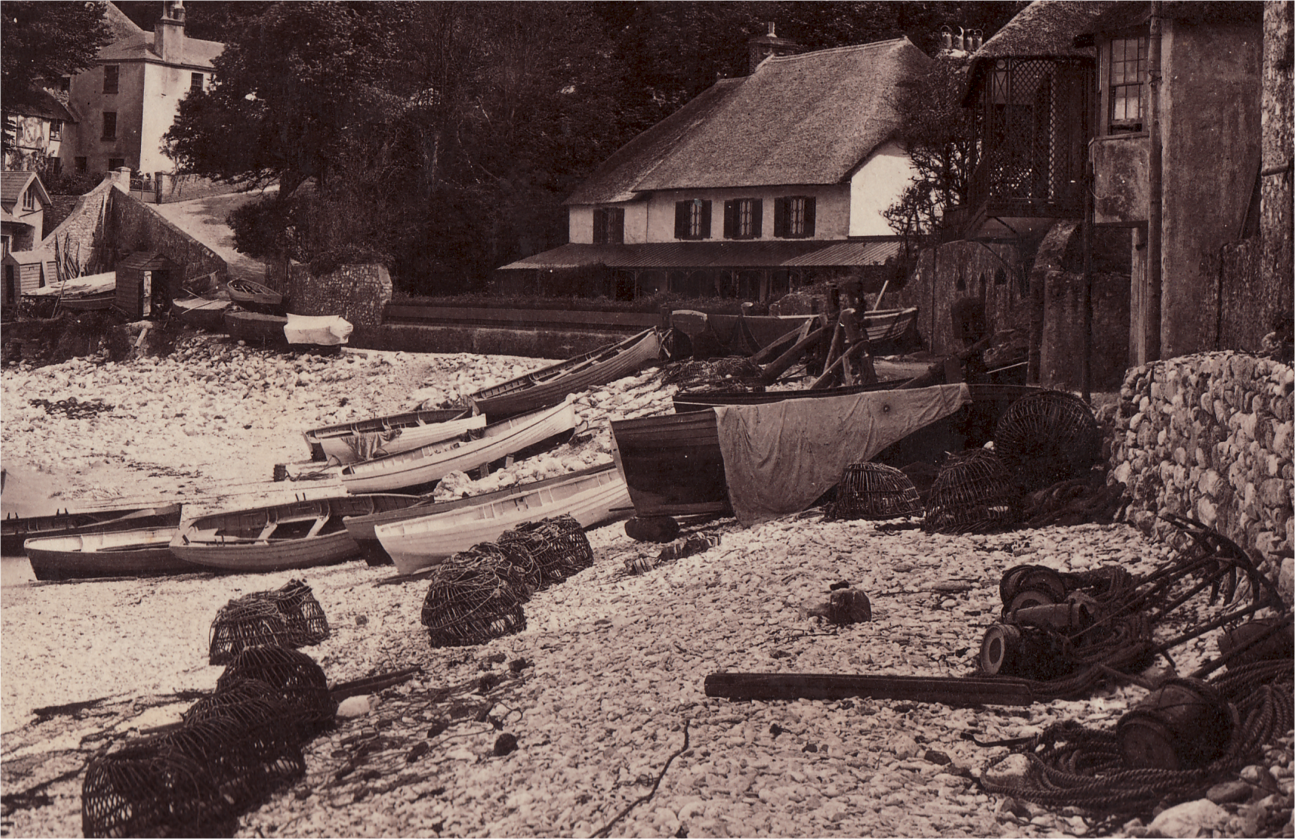
By the autumn of 1884, the South Devon coastline was a place of both serenity and subtle transformation. Torquay, just two miles from the hamlet of Babbacombe, had grown from a quiet resort for invalids into a thriving Victorian town, boasting a population nearing 25,000. It was a fashionable destination for the middle and upper classes — a “Queen of English Watering Places” — filled with white limestone villas, well-groomed promenades, and genteel tea rooms.
Babbacombe, perched above a shingle beach with its wooden jetty and cliff paths, retained a more secluded charm. Though technically a suburb of Torquay, it moved at a slower pace. Local fishermen operated from the shore, sometimes clashing with landowners over access rights.
Day-trippers visited in modest numbers, seeking fresh air and sea views, perhaps pausing for a drink at the Cary Arms before walking the cliff path back to town.
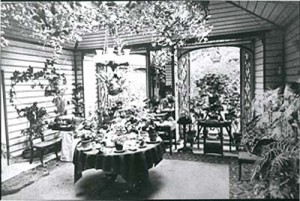
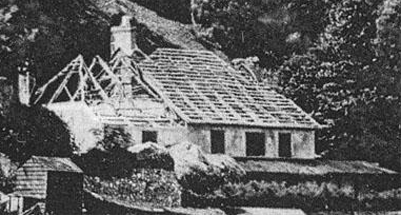
It was here, in a long, thatched two-storey house called The Glen, that Emma Keyse lived out her final years.
The property stood almost level with the beach, separated by a low fence and wall, and backed by dense woodland.
The house offered sweeping views over Babbacombe Bay — picturesque in the soft light of summer, but bleakly exposed and almost forbidding during the wind-battered months of winter. From its elevated position, the sea could be seen shifting from a glassy turquoise to a churning grey, the sound of the surf carrying up to the terrace even on calm days. Storms would lash the windows, rattling shutters and sending salt spray into the air, a constant reminder of nature’s proximity and power.
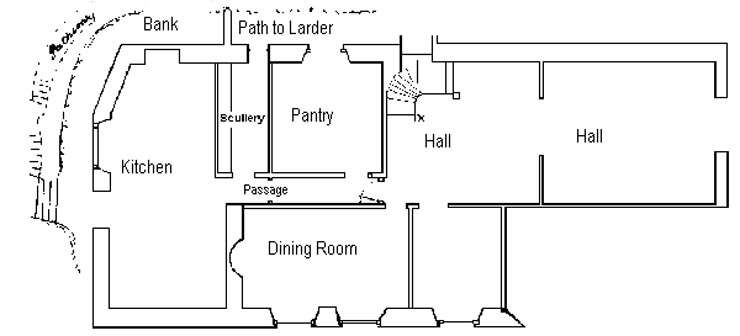
Ground floor plan layout of The Glen, Babbacombe, as it appeared in 1884
The Glen was no modest seaside cottage. Built to impress and to accommodate both family and guests, it featured a spacious central hall from which separate drawing and dining rooms opened, each designed for both comfort and social display. A bright breakfast room looked eastward towards the bay, catching the early light, while upstairs and in adjoining wings were various bedrooms and well-arranged service quarters. The kitchen and scullery connected discreetly to the servants’ areas, ensuring the smooth running of the household.
Beyond its walls, the grounds offered more than simple lawns. A small plantation of trees provided shelter from the sea winds, while winding footpaths invited leisurely strolls. Levelled spaces were kept for croquet or tennis in fair weather, and the air was often scented with salt mingled with the fragrance of garden shrubs. Yet, by late 1884, this was a house in quiet transition. Its long-established routines were subtly altering; staff wondered about their futures. Emma Keyse had recently agreed to sell the property for the considerable sum of £13,000 — a price reflecting both its grandeur and enviable location — and she had begun the careful, and perhaps bittersweet, process of winding up her affairs, aware that the chapter of her life spent at The Glen was drawing to a close.
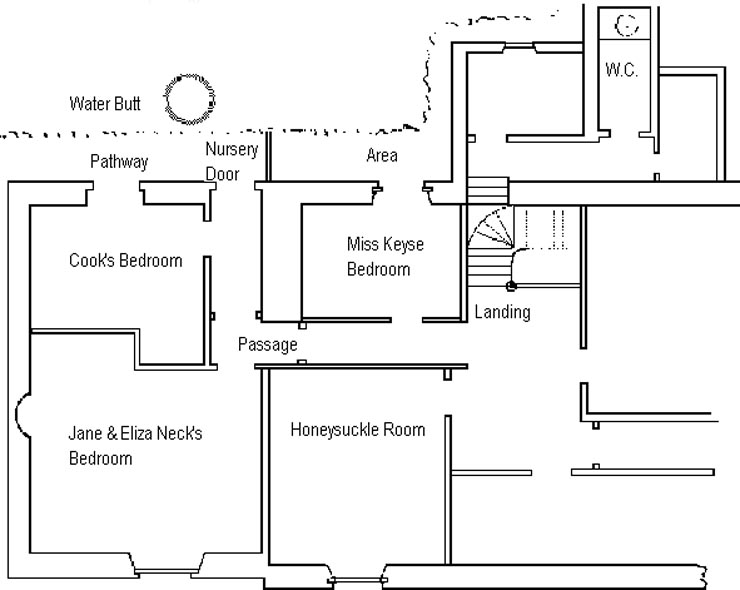
She lived there not alone, but with a small and loyal domestic staff. These included:
-
Elizabeth Harris, her cook, and half-sister to John Lee,
-
Jane and Eliza Neck, two elderly sisters who had each served Miss Keyse and her late mother for decades,
-
And John Lee, a recently re-employed footman and gardener, 20 years old.
The household functioned under the strict routines of upper-class domestic life: regular prayers, regimented meals, and a code of moral respectability enforced by custom rather than law. Yet beneath the surface, tensions stirred. Miss Keyse, now 68, was methodical, devout, and had become somewhat rigid in her habits. Her health and finances were declining. Her servants were ageing. And her recent decisions — including wage cuts for Lee — suggest she was preparing for significant change.
The surrounding community was tight-knit and largely conservative. Babbacombe’s small number of residents included fishermen, shopkeepers, and minor gentry. News travelled fast, and public opinion could form swiftly. It was not a place where scandal went unnoticed.
In this setting, The Glen could appear as both retreat and relic — a lonely estate managed by an ageing woman and attended by a shrinking staff. There were no gas lamps outside, and in winter the coastal road grew dark and deserted by nightfall. Even locals considered the house remote. On stormy evenings, only the faint flicker of a lamp could be seen from the beach below.
On Friday, 14 November 1884, Miss Keyse retired early to her room, unwell and complaining of a headache. She had said prayers with her household that evening. Harris, also feeling unwell, went to bed soon after. The household followed a routine that seemed unremarkable. Nothing — at least on the surface — gave any indication of what was to come.
Yet by the early hours of the next morning, the tranquillity of The Glen would be destroyed by smoke, fire, and the discovery of a body — one that would ignite not just flames, but decades of speculation, doubt, and enduring mystery.
This quiet corner of Devon would soon find itself at the centre of a case that reached the desks of government ministers, flooded newspaper columns across the Empire, and tested the limits of Victorian justice.
And it began in a place that few outside Torbay had even heard of.